The Legal Status of “Sussex Trugs”
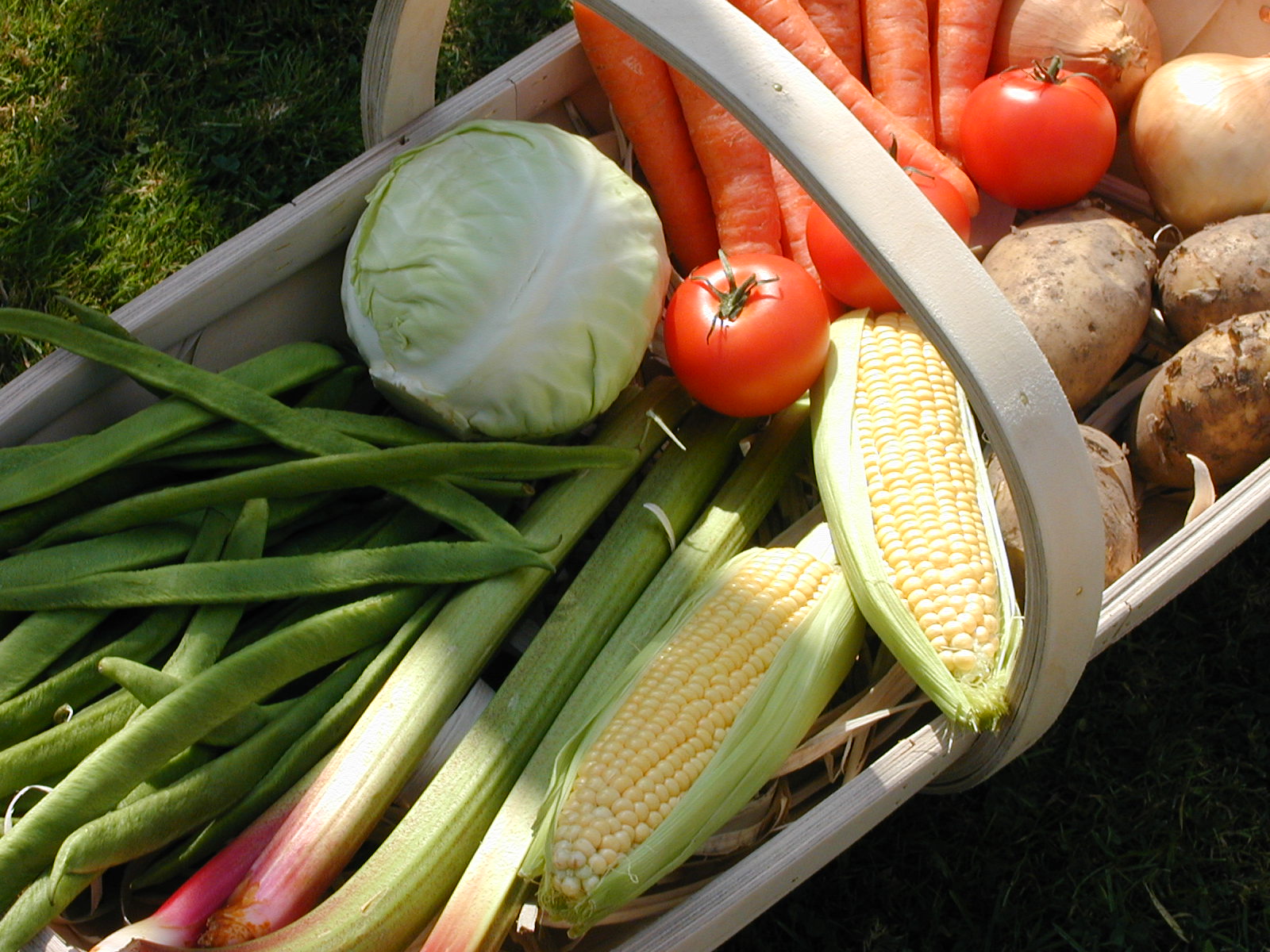
The term “Sussex trug” has a specific, recognised meaning in UK consumer law. Although it is not a protected designation like PDO/PGI, it is protected under the Consumer Protection from Unfair Trading Regulations 2008 (CPRs) as a claim of geographical origin.
What Trading Standards Confirm:
East Sussex Trading Standards have confirmed that:
Only trugs made in Sussex — or made using materials grown in Sussex — may be described as “Sussex trugs”.
Using the term for imported baskets is a misleading action under CPRs, because it falsely implies a Sussex origin and Sussex craft tradition.
This makes it illegal to market imported wooden baskets as:
- “Sussex trugs”
- “Authentic Sussex trugs”
- “Traditional Sussex trugs”
- “Sussex‑style trugs” (if the intention is to imply Sussex origin)
Why “Traditional” Is Not Enough
The word “traditional” is not protected. Anyone can call a basket “traditional”, even if it’s:
- made in China
- made of poplar
- stapled together
- mass‑produced
But they cannot call it a Sussex trug unless it is genuinely:
- Made in Sussex, and
- Part of a recognised Sussex trug‑making tradition
Recognised Sussex Trug Traditions
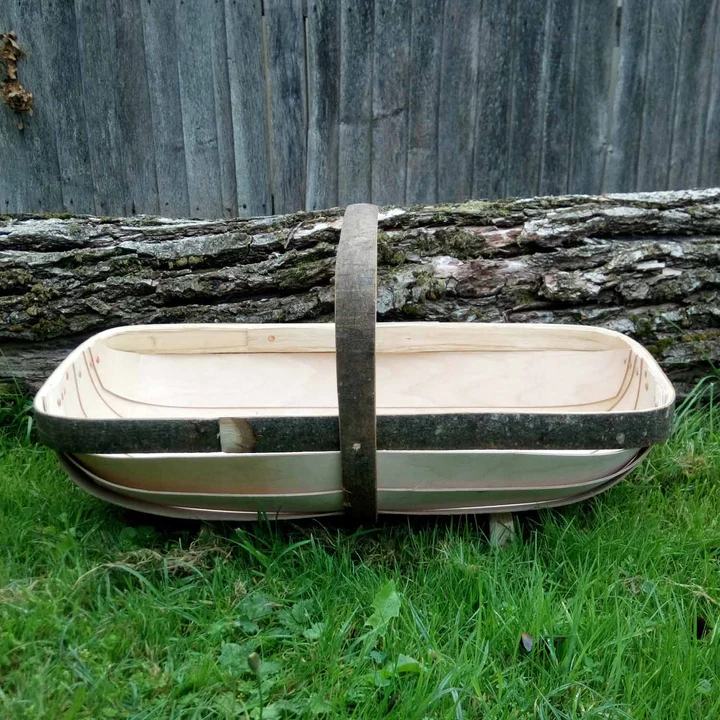
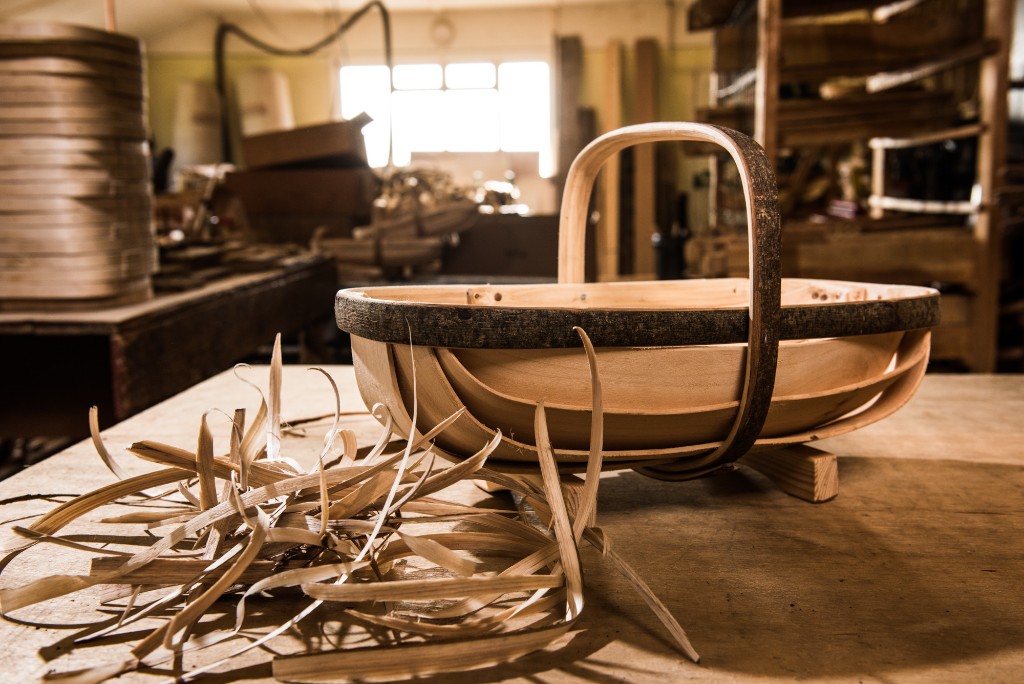
Royal Sussex Trug – the classic 1829 willow‑and‑chestnut pattern
Wealden Sussex‑Style Trug – a mid‑20th‑century Sussex invention created out of necessity
South Down Contemporary Trug – a modern Sussex evolution using plywood
All three are authentic, Sussex‑made, and part of the living craft.
Why This Matters
Misuse of the term “Sussex trug”:
- misleads customers
- harms authentic Sussex makers
- undermines a critically endangered craft
- distorts the market
- breaches consumer protection law
If it isn’t made in Sussex, it isn’t a Sussex trug.